
South Africa’s hemp industry is growing rapidly, with more than 1,100 hemp permits already issued nationally as government pushes the Cannabis Master Plan forward. Hemp is now legally recognised as an agricultural crop under the Plant Improvement Act, opening the door for farmers to cultivate low-THC cannabis for fibre, seed, biomass, textiles, construction materials, cosmetics, and industrial products. (SAnews)
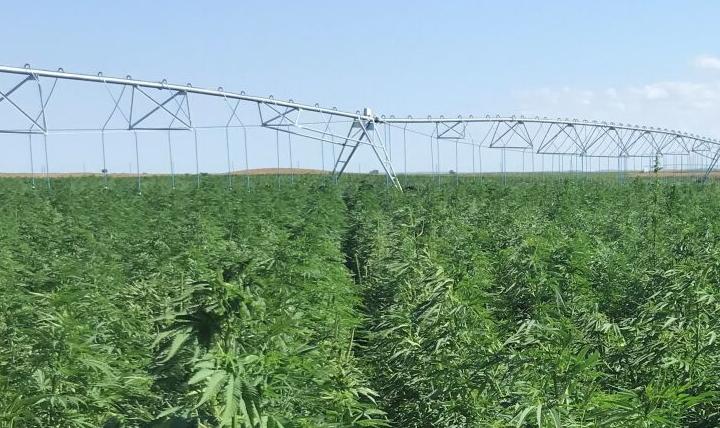
If you already have 1 hectare (1Ha) of land or more, you are in a realistic position to enter the hemp industry on a small commercial scale — but success depends heavily on securing buyers and understanding the economics before planting.
What Is the Difference Between Hemp and Cannabis?
In South Africa, hemp refers to low-THC cannabis cultivated for industrial or agricultural use. It is regulated separately from medicinal cannabis.
There are currently two regulatory systems:
- DALRRD Hemp Permit → for industrial hemp cultivation
- SAHPRA Cannabis License → for medicinal cannabis production
For a 1Ha outdoor farm focused on fibre, seed, biomass, or industrial applications, you would apply through the Department of Agriculture, Land Reform and Rural Development (DALRRD). (GrowerIQ.ca)
Requirements to Apply for a Hemp Permit
Under the Plant Improvement Act, anyone cultivating hemp commercially must obtain a permit. (Acts Online)
You Will Typically Need:
1. Land Access
You must prove ownership or legal access to the land:
- Title deed
- Lease agreement
- Permission letter
2. Site Plan
A map showing:
- GPS coordinates
- Field layout
- Access roads
- Storage areas
3. Application Forms
The main form is:
- HP-Form-001
Available through the DALRRD hemp regulatory system. (National Department of Agriculture)
4. Business Plan
This is very important.
DALRRD increasingly wants to see:
- Intended market
- Cultivation plan
- End-use strategy
- Estimated production volumes
- Offtake or processing plans
5. Approved Hemp Genetics
You must use low-THC hemp seed varieties.
Imported genetics may require additional approval. Hemp must remain under the legal THC threshold.
Good News for Small Farmers
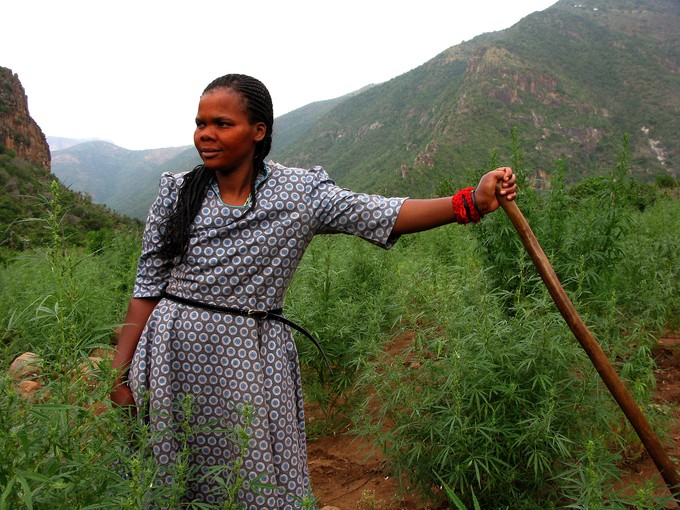
The rules have become more farmer-friendly.
Recent amendments removed several difficult barriers:
- No mandatory fencing requirement
- No police clearance certificate
- Larger cultivation allowances permitted
These changes were introduced to encourage participation from emerging farmers. (Land Reform & Rural Development)
How Much Does a Hemp Permit Cost?
Current DALRRD application fees are approximately:
| Item | Estimated Cost |
|---|---|
| Hemp permit application | ~R902 |
| Seed imports (if needed) | Variable |
| Soil prep & irrigation | R10,000–R40,000+ |
| Seed for 1Ha | R8,000–R30,000 |
| Labour & harvesting | Variable |
The permit itself is relatively affordable compared to medicinal cannabis licensing. (GrowerIQ.ca)
Is 1 Hectare Profitable?
This is the most important question.
The Honest Reality
A 1Ha hemp farm can be profitable, but profitability depends entirely on:
- What you grow hemp for
- Whether you have a buyer before planting
- Your processing costs
- Your genetics
- Irrigation availability
- Your location
Without an offtake agreement, many growers struggle.
The 3 Main Hemp Business Models
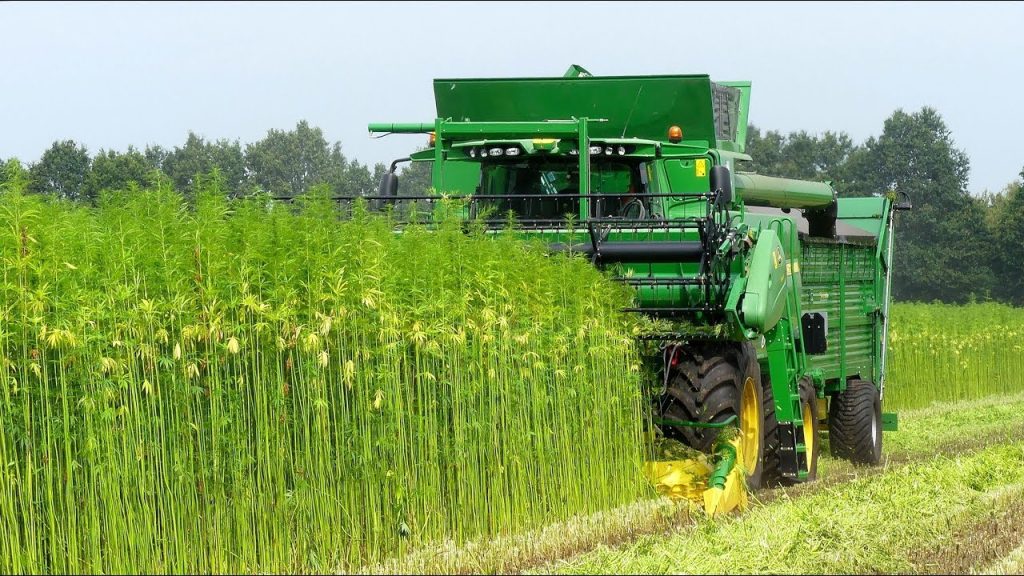
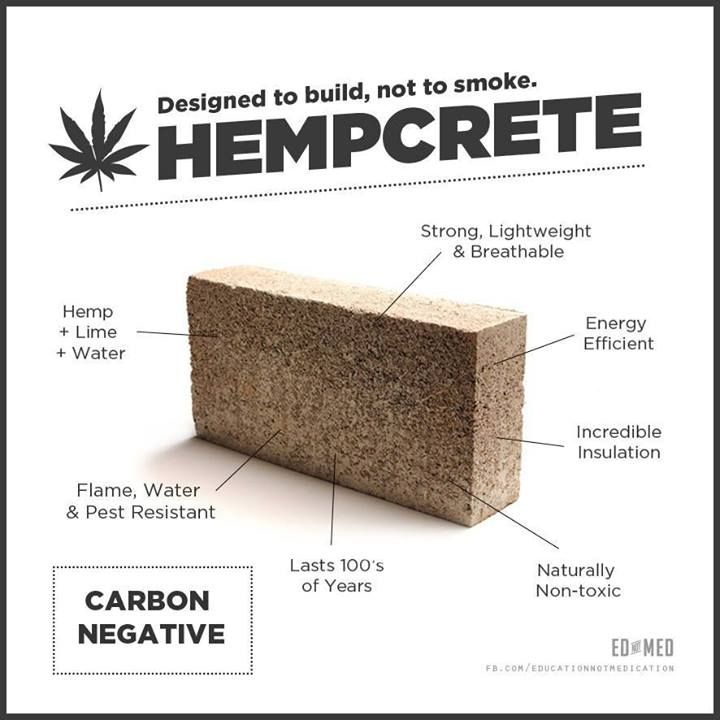
1. Fibre Production
Used for:
- Textiles
- Hempcrete
- Industrial materials
- Bioplastics
Pros
- Large-scale demand potential
- Lower compliance pressure
Cons
- Requires processors nearby
- Lower margins on small land sizes
Estimated Revenue (1Ha)
- Roughly R20,000–R60,000 gross
- Often not highly profitable at only 1Ha unless vertically integrated
2. Grain / Seed Production
Used for:
- Hemp oil
- Protein powder
- Animal feed
- Cosmetics
Pros
- Higher-value products
- Food industry potential
Cons
- Processing infrastructure still developing
- Regulatory uncertainty around hemp food products exists
Estimated Revenue
- R40,000–R120,000 gross possible under good conditions
3. Biomass / Cannabinoid Hemp
This is where many farmers aim for higher profits.
Used for:
- CBD extraction
- Cosmetic ingredients
- Bulk biomass
Pros
- Highest earning potential
Cons
- Highest risk
- Market saturation issues
- Buyers extremely selective
- Requires strong genetics and testing
Possible Revenue
Can exceed:
- R100,000–R300,000+ per hectare
But many growers fail because they cannot secure buyers or meet quality specifications.
The Biggest Problem: Offtake Agreements
An offtake agreement means a company agrees in advance to buy your crop.
This is absolutely critical in hemp.
Many South African farmers planted hemp expecting “green gold” profits and later discovered:
- No processors nearby
- No drying facilities
- No extraction partners
- No export route
- No buyer
As a result, some crops were destroyed or sold at losses.
How to Find an Offtake Agreement
Before planting, you should actively approach:
Hemp Processors
Companies involved in:
- Fibre processing
- CBD extraction
- Hemp building materials
- Cosmetics
- Biomass purchasing
Co-operatives
Some provincial agricultural groups are building hemp aggregation models for small farmers.
Export Buyers
Export remains attractive, but standards are strict.
Private Label Brands
Many CBD and wellness brands prefer contract growers instead of farming themselves.
What Buyers Want
Most serious buyers look for:
- Stable genetics
- THC compliance
- Consistent yield
- Irrigation access
- Reliable drying/storage
- Testing records
- Security
- Long-term supply relationships
Is Hemp “Easy Money”?
No.
The South African hemp industry is still emerging and somewhat unstable.
Current challenges include:
- Regulatory uncertainty
- Limited processing infrastructure
- Inconsistent buyers
- Seed quality issues
- Export compliance hurdles
- Oversupply in some CBD segments
However, the long-term outlook is still strong, especially for:
- Fibre
- Industrial hemp
- Construction materials
- Export-grade biomass
- Agro-processing
Government estimates suggest the hemp sector could eventually become a multi-billion rand industry. (SAnews)
Best Strategy for a 1Ha Farmer
For someone with 1 hectare, the smartest approach is usually:
- Start small
- Secure an offtake agreement first
- Focus on a niche market
- Grow proven genetics
- Build relationships before expanding
- Consider forming a co-op with nearby farmers
A small, well-managed hectare with a buyer is far better than 20 hectares with no market.
Final Thoughts
South Africa’s hemp industry still feels like the “early days.” The opportunity is real, but the hype often exceeds the reality.
If you already have land, you are ahead of many people entering the sector. Your biggest priority should now be:
- Finding buyers
- Understanding your local climate
- Choosing the right hemp type
- Building a realistic business model
Do not plant first and hope the market appears later.
For official permit forms and hemp guidelines, see: