
South Africa’s cannabis laws have changed dramatically over the past decade, but confusion remains about what is legal, what is not, and what reforms are still needed.
While many people believe cannabis has been fully legalized, the reality is more complex. South Africa currently allows adults to use, possess, and cultivate cannabis for private personal use, but commercial sales remain prohibited and the legal framework is still evolving.
The Constitutional Court Victory
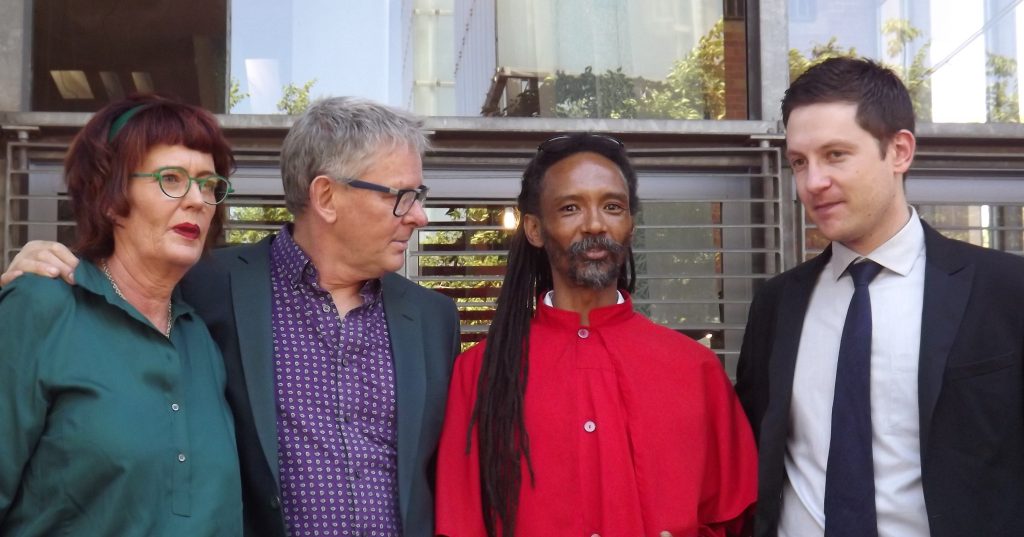
Cannabis reform in South Africa reached a historic milestone on 18 September 2018 when the Constitutional Court ruled in the landmark Prince case that it was unconstitutional to criminalize the private use, possession, and cultivation of cannabis by adults.
The Court found that prohibition infringed on the constitutional right to privacy and ordered Parliament to amend the law accordingly.
This judgment effectively ended the criminalization of responsible adult cannabis use in private spaces and marked the beginning of a new era for cannabis policy in South Africa.
The Cannabis for Private Purposes Act
After years of delays, President Cyril Ramaphosa signed the Cannabis for Private Purposes Act into law in May 2024.
The Act formally recognizes the rights of adults to:
- Possess cannabis for personal use.
- Cultivate cannabis in a private place.
- Consume cannabis in private.
- Possess cannabis cultivation material for personal use.
The Act also creates a process for the expungement of certain historical cannabis-related criminal convictions.
However, despite being signed into law, the Act has not yet been fully implemented. Government regulations are still being finalized, meaning South Africa remains in a transitional legal phase.
Draft Regulations Published in 2026
In February 2026, the Department of Justice published draft regulations for public comment under the Cannabis for Private Purposes Act.
The proposed regulations seek to establish limits on:
- Personal possession of cannabis.
- Home cultivation.
- Transportation of cannabis.
- Procedures for criminal record expungement.
Draft proposals published by government suggest limits that include possession thresholds and cultivation caps for personal use. These proposals remain subject to revision before final implementation and have generated significant debate within the cannabis community.
Many advocates argue that arbitrary plant and possession limits are inconsistent with the Constitutional Court’s privacy ruling and may create unnecessary criminalization of responsible adults.
What Is Legal Right Now?
As of 2026, adults may:
✓ Use cannabis in private.
✓ Possess cannabis for personal use in private.
✓ Cultivate cannabis for personal use in private.
✓ Possess cannabis seeds and cultivation material.
✓ Share cannabis within private contexts where no commercial transaction takes place.
However, important restrictions still apply.
What Remains Illegal?
The following activities remain prohibited under current South African law:
✗ Selling cannabis without appropriate authorization.
✗ Public consumption of cannabis.
✗ Possession by minors.
✗ Driving under the influence of cannabis.
✗ Commercial cannabis trade outside existing medical and industrial licensing frameworks.
The absence of a regulated adult-use market means many cannabis businesses continue operating in legal uncertainty.
Cannabis Clubs and the Grey Market
Since the 2018 Constitutional Court ruling, cannabis private clubs and membership-based cultivation services have emerged across South Africa.
These clubs have attempted to operate within constitutional privacy protections by facilitating collective cultivation on behalf of members. However, authorities have challenged several of these models, resulting in ongoing court battles and inconsistent enforcement.
Until legislation specifically regulates adult-use cannabis commerce, cannabis clubs remain in a legal grey area.
Medical Cannabis
South Africa permits medical cannabis through the South African Health Products Regulatory Authority (SAHPRA).
Patients may access cannabis-based medicines under specific circumstances, and licensed companies may cultivate cannabis for medical and export purposes.
Despite these developments, patient access remains limited and expensive, with many South Africans still unable to obtain affordable medical cannabis legally.
The Hemp Industry
Government has increasingly promoted industrial hemp as an agricultural and economic opportunity.
Recent policy reforms have relaxed restrictions on hemp cultivation, encouraging investment, job creation, and rural development. However, many small-scale farmers continue to face regulatory challenges and barriers to market access.
The Future of Cannabis Reform
South Africa stands at a crossroads.
The Constitutional Court recognized the rights of adults to use cannabis privately, and Parliament has enacted legislation to give effect to that ruling. Yet the country still lacks a fair and inclusive regulatory framework for cultivation, trade, consumer access, and small-scale participation.
NORML South Africa believes cannabis reform should:
- Respect constitutional rights.
- Protect consumers.
- Support small-scale and traditional growers.
- Create economic opportunities.
- End unnecessary criminalization.
- Establish a fair and regulated adult-use market.
The fight for sensible cannabis policy is far from over, but South Africa has already taken important steps toward ending prohibition.
NORML South Africa remains committed to advocating for evidence-based cannabis laws, protecting the rights of consumers, and ensuring that future reforms benefit all South Africans—not only large corporations.