
South Africa’s cannabis landscape has undergone significant change over the past few years, yet the reality in 2026 is far more complex than a simple “legal” or “illegal” label. While progress has been made through landmark rulings and new legislation, uncertainty still defines much of the industry—particularly for consumers, entrepreneurs, and advocates.
This article explores the current state of cannabis in South Africa, including legal developments, social clubs, hemp farming, and ongoing enforcement challenges.
A Legal Framework Still Taking Shape
The journey toward cannabis reform in South Africa began with the historic Minister of Justice and Constitutional Development v Prince ruling in 2018, where the Constitutional Court decriminalised private cannabis use and cultivation for adults.
Building on this, the government passed the Cannabis for Private Purposes Act in 2024. The Act formally recognises:
- The right of adults to use cannabis in private
- The right to cultivate cannabis for personal use
However, despite being signed into law, the Act is not yet fully operational. Draft regulations were only published in early 2026, and final implementation is still pending.
Until these regulations are finalised, South Africa remains in a transitional phase—where rights exist in principle, but practical enforcement and interpretation vary widely.
The State of Cannabis in South Africa (2026)
Current policy direction suggests:
- 2026 will focus on finalising personal-use regulations
- 2027 and beyond may see movement toward a regulated commercial market
At present, the sale of cannabis remains illegal, meaning no licensed retail system exists. This has allowed informal and grey markets to continue operating without clear legal protection.
The Rise—and Risk—of Cannabis Social Clubs
Cannabis social clubs have emerged as a response to the lack of legal retail channels. These clubs typically operate on a “shared cultivation” model, where members collectively grow cannabis for personal use.
“Ensure that self-regulated Cannabis Clubs are formally recognised in future cannabis legislation, with compliance requirements embedded into law to promote safety, transparency, and legitimacy.“
South African Cannabis Clubs Alliance
While some cannabis clubs operate openly, their legal status remains uncertain.
The challenge lies in interpretation:
- Private use is legal
- Distribution and sale are not
This creates a grey area where authorities may view club activity as lawful sharing—or as illegal distribution.
As a result:
- Some clubs continue to operate without interference
- Others face raids, closures, or legal action
Until regulations explicitly address these models, social clubs will remain in a precarious position.
Hemp Farming: Growth with Constraints
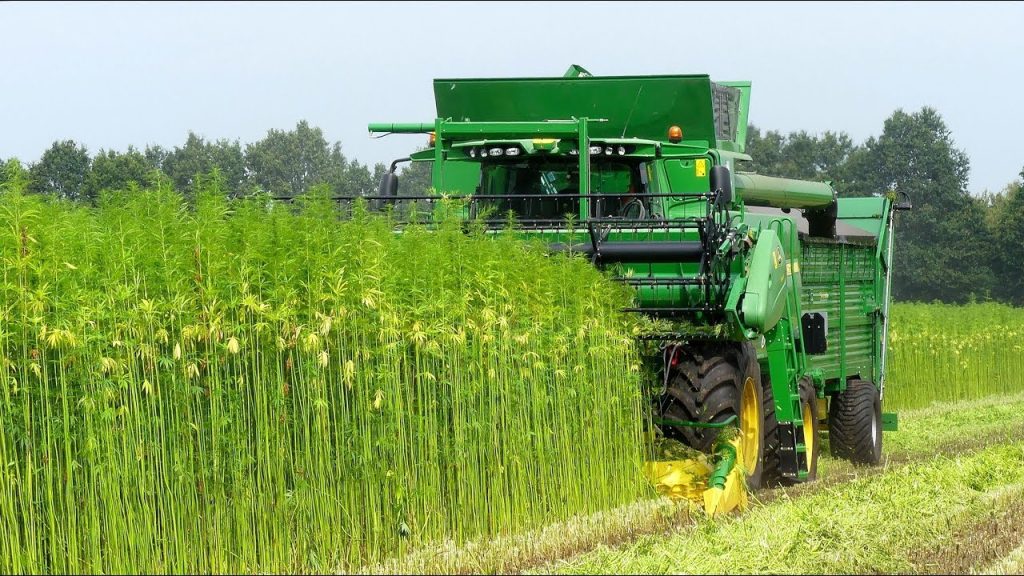
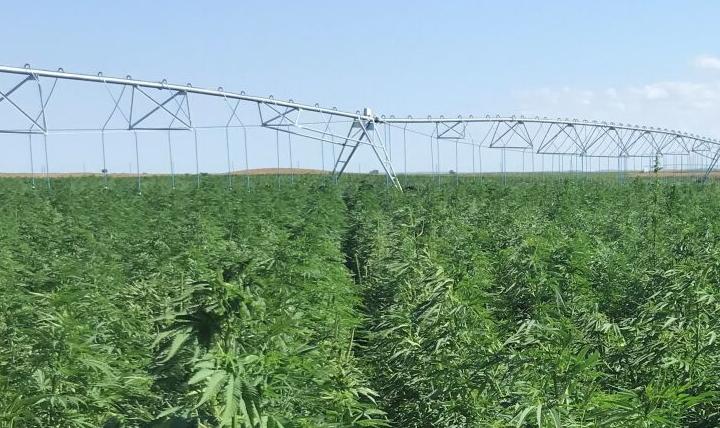
Hemp has been identified as a key pillar in South Africa’s Cannabis Master Plan, with potential applications across agriculture, manufacturing, and export markets.
There has been measurable progress:
- Increased interest in licensed hemp cultivation
- Expansion of export-oriented operations
- Growing recognition of hemp’s economic potential
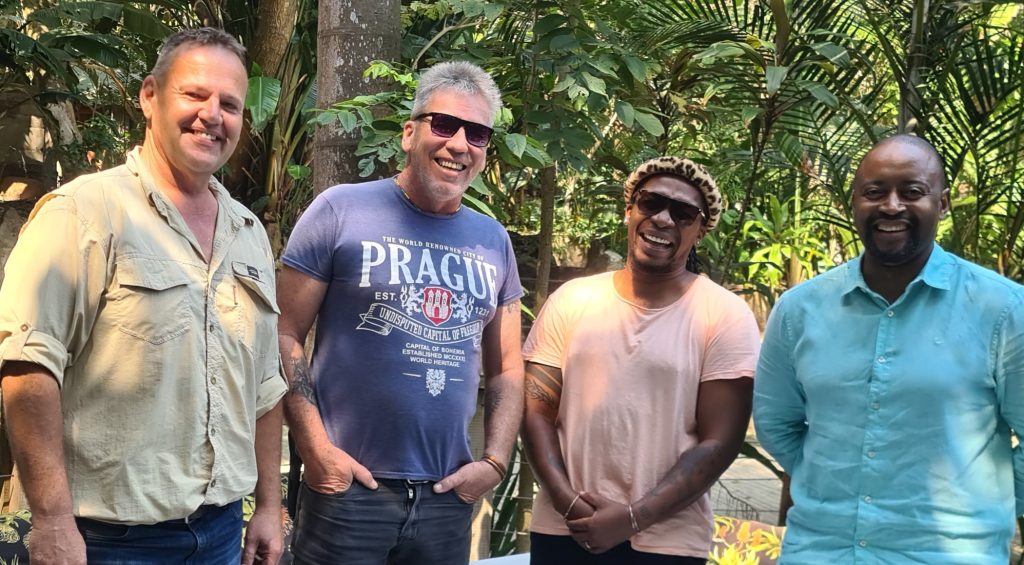
KwaZulu Hemp Association (KHA) was founded in 2023 by a group of corporate, traditional & commercial farmers, industry manufacturers, consumer suppliers and academic and government stakeholders, as a non-profit Cannabis Hemp industry representative body. Zuluhemp.co.za
However, challenges remain:
- Complex and costly licensing requirements
- Limited infrastructure for processing and value addition
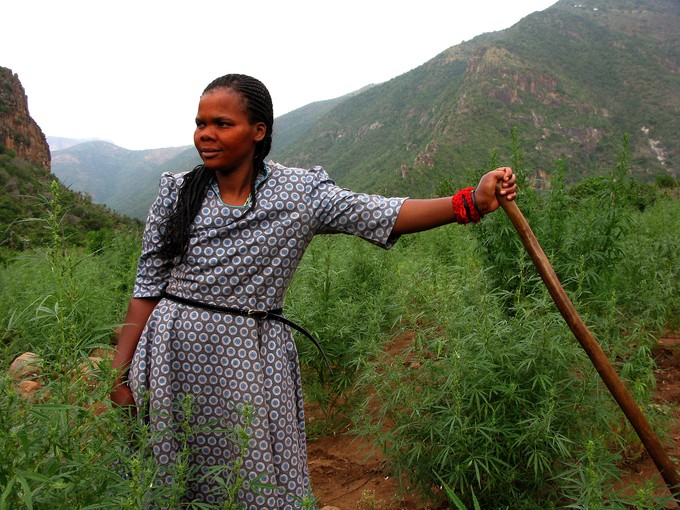
- Barriers for small-scale and emerging farmers
While hemp is gaining traction, its growth is uneven and still largely benefits well-capitalised operators.
Are Arrests Still Happening?
Despite legal reforms, arrests related to cannabis continue in South Africa.
Law enforcement action is still taken in cases involving:
- Sale or distribution of cannabis
- Possession outside of private contexts
- Quantities deemed excessive or suspicious
- Transportation without clear compliance
The lack of fully implemented regulations has led to inconsistent enforcement, with police discretion playing a significant role.
This highlights a key issue: legal reform without clear implementation can leave citizens vulnerable to misinterpretation and unequal application of the law.
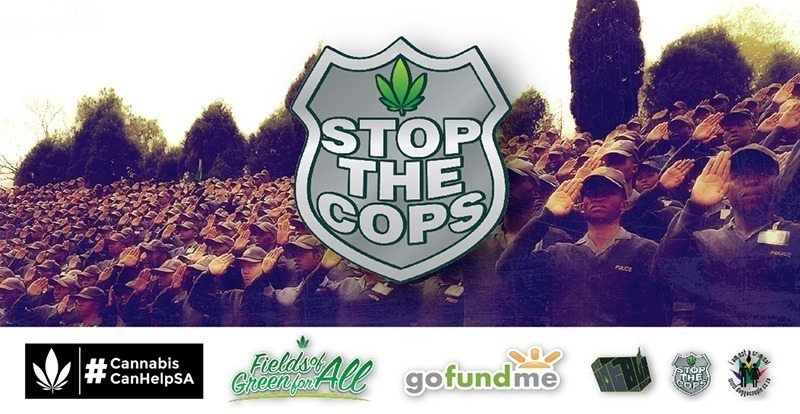
We want the South African Police Services removed from having anything to do with Dagga, immediate and unconditional release of all Dagga prisoners and reparations for the harms of prohibition in the form of total expungements with apology. Our philosophy is very closely linked to that of Steve DeAngelo’s Last Prisoner Project. We firmly believe that science has shown us that there is absolutely no need for Cannabis to be a criminal justice issue at all. Stop the cops
The Reality: A Country in Transition
South Africa’s cannabis environment in 2026 can best be described as transitional.
Legal:
- Private use by adults
- Home cultivation
Illegal:
- Sale and commercial distribution
- Retail dispensaries
Unclear / Grey Area:
- Cannabis social clubs
- Cooperative growing models
- Informal sales networks
This “half-legalised” status presents both opportunities and risks. While there is space for innovation and advocacy, the absence of regulatory clarity continues to create uncertainty.
Looking Ahead
The next 12–24 months will be critical for cannabis reform in South Africa.
Key developments to watch include:
- Finalisation and implementation of regulations under the Cannabis for Private Purposes Act
- Government movement toward a commercial cannabis framework
- Clear legal guidance on social clubs and collective cultivation
- Expansion of hemp farming support and infrastructure
For advocacy organisations like NORML South Africa, this moment represents both progress and responsibility. Continued engagement with policymakers, public education, and legal support will be essential in shaping a fair and inclusive cannabis landscape.
Conclusion
South Africa has taken meaningful steps toward cannabis reform, but the journey is far from complete. Legal rights have been established, yet practical access, commercial participation, and consistent enforcement remain unresolved.
As the country moves closer to a regulated cannabis economy, the focus must shift toward clarity, inclusivity, and justice—ensuring that the benefits of reform are shared broadly, rather than concentrated among a few.
Pingback: Global Cannabis March 2026 – South Africa – Dagga Party
Pingback: The State of Cannabis in South Africa – NORML South Africa – Westonerz